

At the worst moment of their lives, grieving families place complete trust in funeral professionals – trusting that their loved ones will be treated with dignity, compassion and care.
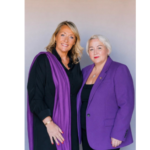
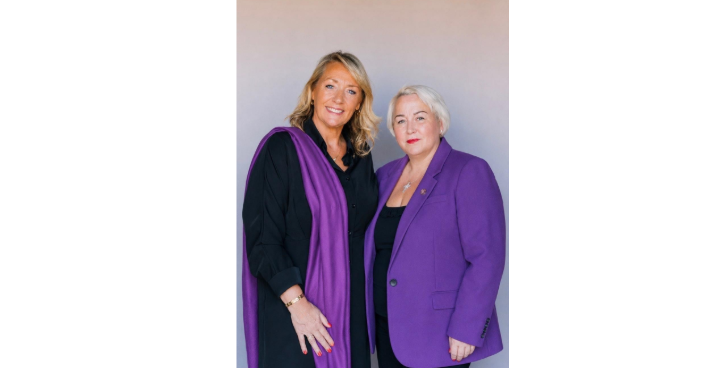
But experienced funeral celebrants, Sacha Mulligan and Michelle Harvey, say that trust is being placed in an industry that still lacks many of the safeguards the public assumes already exist.
That’s why the pair have launched a new national register for funeral celebrants and officiants – the Funeral Officiant Authority -aimed at improving safeguarding, accountability and professional standards across the industry.
Their campaign comes amid growing concern over standards in parts of the funeral sector.
Both women say the overwhelming majority of funeral workers are compassionate, dedicated people who quietly go above and beyond for grieving families every single day.
But they also believe stronger regulation is urgently needed to protect vulnerable people and restore public confidence in the profession.
“People put their complete trust into funeral workers at the most vulnerable time in their lives,” Sacha says. “Every person working near the deceased or their families should be enhanced DBS checked and properly registered.”
Michelle agrees, saying she was stunned when she first entered the profession and discovered how little formal oversight existed.
“The fact that literally anyone could open a funeral home, care for the deceased, and take a funeral service, I found that very strange,” she says. “When people are grieving, they are vulnerable. They are not always thinking clearly and can be open to exploitation or manipulation.”
Sacha’s route into funeral work began through floristry and bereavement counselling. After experiencing personal loss at a young age and later studying positive psychology, she found herself increasingly drawn towards helping grieving families navigate loss.
She later became a celebrant after encouragement from her husband, who worked in the funeral industry.
“I knew I wanted to create services from the heart,” she says. “Not just read words from a script, but to genuinely connect with families and help make a difficult day a little easier.”
Michelle entered the profession writing eulogies for an independent funeral director before later training professionally as a celebrant following the death of a close friend.
Both women say they quickly realised the role involved far more emotional support than many people imagine.
“You become a mediator, a counsellor and sometimes a source of stability for families dealing with grief and difficult relationships,” Sacha says.
But alongside the rewarding moments came growing concerns about safeguarding and accountability.
Sacha says she was astonished to learn enhanced DBS checks were not mandatory across the sector.
“You automatically assume there are regulations,” she says. “You need licences for so many things in this country, but someone can work closely with vulnerable families and deceased people without those same checks.”
Michelle says the risks without proper oversight can be serious.
“These include dignity and respectful treatment of the deceased, health and safety, infection control, identification procedures and legal responsibilities,” she says. “Without safeguards, standards of care can vary greatly.”
Both women reference recent scandals that have shaken public confidence in parts of the funeral profession and exposed gaps in regulation.
Sacha says she feels particularly strongly about safeguarding after officiating a funeral connected to one of the major ongoing inquiries into funeral industry failings.
“We should all be held accountable,” she says. “Families deserve reassurance that the people caring for their loved ones are suitable and properly monitored.”
Despite their concerns, both women are keen to stress that many funeral workers routinely go far beyond what families ever see.
Michelle says she has reduced fees or provided services free of charge for struggling families, particularly for babies’ and children’s funerals. She also personally funds a monthly bereavement café offering counselling support.
“I came into this industry to help people, not to make money,” she says.
Sacha says many funeral workers sacrifice evenings, holidays and personal time to support bereaved families.
“People don’t realise the emotional toll this work can take,” she says. “Many workers see traumatic situations, work anti-social hours and continue helping families long after the funeral has ended.”
Still, both women believe compassion alone cannot replace proper regulation.
Currently, there is no single mandatory national register covering everyone working within the funeral profession, and membership of industry organisations remains voluntary.
“We could set up a funeral business tomorrow and nobody would necessarily inspect or regulate us,” Sacha says.
The newly launched register for celebrants and officiants is, they believe, a major step in the right direction, introducing clearer standards, accountability and safeguarding for those working directly with bereaved families.
But both women say tougher national protections are still needed across the wider funeral sector.
“The register is excellent,” Sacha says. “But it should become a requirement.”
Michelle agrees.
“People need to trust again,” she says. “We need to move our industry back to one where we are respected again.”
For both women, the conversation ultimately comes down to dignity, not only for the deceased, but for the families left behind.
“Death is something every single one of us will experience,” Sacha says. “We need to stop avoiding the conversation and start talking openly about standards, care and regulation.”
Michelle reflects on the original meaning behind the word “undertaker”, someone trusted within the community to care for people after death.
“Those people were respected because they had integrity,” she says. “Somewhere along the way, we lost that meaning. We need to find it again because dignity in death should never depend on luck.”